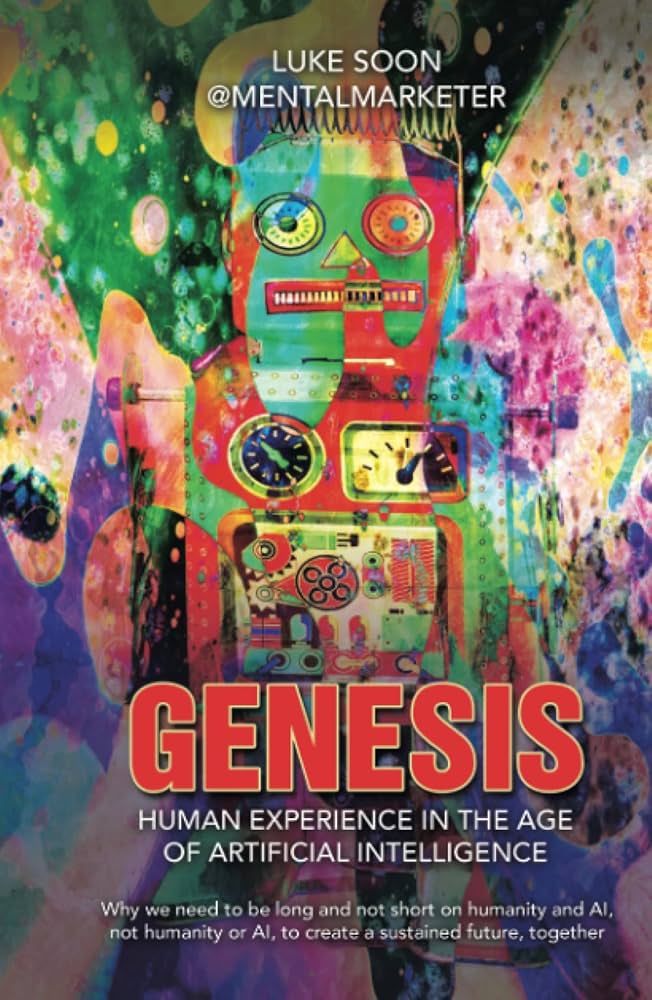


By Dr. Luke Soon – Author of Genesis: Human Experience in the Age of Artificial Intelligence & Synthesis: The Superintelligence Protocol
The pace of AI advancement has outstripped our traditional approaches to oversight. Static rules designed to minimise every possible risk are no longer sufficient – and in many cases, they have become obstacles to responsible progress. In the agentic era, where systems act autonomously, learn in real time, and make complex decisions, we must shift decisively toward dynamic risk management. This is not about abandoning caution but about engineering trust at scale so innovation and safety reinforce each other.
Why Traditional Approaches Fall Short
For years, regulatory and organizational frameworks have relied on predictable, human-scale systems. Agentic AI changes the equation entirely. Capabilities advance in months, not years. Invisible trade-offs emerge within self-improving models. Guardrails that worked for earlier generations of AI are routinely outpaced, creating a widening gap between technical potential and institutional control.
In my work documented on GenesisHumanExperience.com, I have consistently highlighted this reality: the bottleneck is no longer raw capability – it is Trust with a capital “T”. Without operationalised governance, organisations remain stuck in pilot phases. With the right systems, we unlock autonomy at scale while protecting human values.
Trust as the Core Currency
Trust is the only sustainable currency in the Experience Economy and the Age of Intelligence. This conviction shapes everything I advocate:
• Runtime Governance and Continuous Oversight: Move from static prompts and one-time approvals to dynamic loops that monitor, verify, and adapt in real time.
• Capability Controls and Reuse Frameworks: Ensure agents operate within defined boundaries while allowing safe composition of skills.
• Human-AI Symbiosis by Design: Keep meaningful human oversight and intervention where it matters most – especially for high-stakes decisions – while freeing people for higher-order creativity and judgment.
My development of concepts like TrustOS– an Agentic Safety Operating System – embodies this philosophy. It treats governance as infrastructure, not an afterthought.
Insights from the Front Lines of Responsible AI
Through hands-on leadership and research in the field, several principles stand out for 2026 and beyond:
1. Risk-Based, Adaptive Tiering
Classify systems by autonomy level, potential impact, and context. Low-risk applications can move fast with light oversight. High-impact agentic systems demand continuous monitoring, explainability, and escalation protocols.
2. Value-First Responsible AI
Governance should drive innovation, cybersecurity, transparency, and business outcomes – not merely compliance. When done well, it becomes a competitive advantage and enabler of sustainable scaling.
3. Engineering Trust into the Architecture
Embed safety, alignment, and verifiability from the foundation. This includes risk tiering with clear human intervention triggers, independent assurance for critical systems, and transparent documentation.
4. Focus on Human Experience
AI must augment human purpose, creativity, and choice. We are not replacing people but reconfiguring work, leadership, and society around augmented potential. This requires deliberate investment in reskilling, ethical design, and new models of value creation.
5. Prepare for the Transition Window
We are in a narrow period of short-term turbulence on the path to long-term abundance. Disruptions in workflows and norms are inevitable, but proactive governance can smooth the transition and maximise shared gains.
6. Continuous Assurance and Ecosystem Collaboration
Build real-time monitoring, public transparency mechanisms where appropriate, and cross-sector learning. No single organisation or nation can solve this alone.
A 2026 Field Guide for Leaders
• Assess Honestly: Map your current AI portfolio against agentic risks and maturity gaps.
• Operationalise Governance: Implement frameworks like dynamic tiering and runtime controls (inspired by TrustOS thinking).
• Measure What Matters: Track not only risk reduction but innovation velocity, trust metrics, and human flourishing indicators.
• Invest in People: Prioritise upskilling, ethical literacy, and new leadership models fit for human-AI collaboration.
• Act with Urgency: The window for shaping positive outcomes is closing. Those who build trust-first systems today will define the future.
The Path to Abundance
We stand at a fork in humanity’s relationship with intelligence. One path leads to fragmented progress, eroded trust, and missed opportunities. The other embraces dynamic management – where rigorous risk practices enable bolder innovation and deeper human flourishing.
In my writings and practice, I remain optimistic. By centering human experience, engineering trust into our systems, and moving from rigid minimization to adaptive management, we can navigate short-term challenges toward a future of shared abundance.
The age of artificial intelligence is ultimately a test of human wisdom. Let us rise to it.


Leave a comment