
Definition and Capabilities:
- Agentic AI refers to AI systems that autonomously reason, plan, and execute complex tasks with minimal human input, acting as “digital collaborators.” Unlike generative AI, which responds to prompts, Agentic AI proactively breaks down goals into actionable steps using advanced LLMs.
- Example: An Agentic AI tasked with planning a trip could autonomously book flights, reserve hotels, and suggest itineraries based on user preferences, adapting to real-time changes like flight delays.
- Business Transformation:
- Agentic AI streamlines operations in sectors like logistics, healthcare, and finance. For instance, it can optimize supply chains by predicting demand and adjusting inventory in real time, potentially saving billions.
- The video cites examples like AI agents automating customer service workflows, reducing response times, and personalizing interactions, which enhance efficiency and customer satisfaction.
- Human-AI Collaboration:
- Agentic AI augments human capabilities rather than replacing them. The video references Dr. Fei-Fei Li’s view that AI amplifies human creativity, citing hybrid “centaur” models (human-AI teams) that outperform standalone AI in strategic tasks.
- In workplaces, AI agents act as virtual colleagues, handling repetitive tasks to free employees for creative, high-value work.
- Agentic AI augments human capabilities rather than replacing them. The video references Dr. Fei-Fei Li’s view that AI amplifies human creativity, citing hybrid “centaur” models (human-AI teams) that outperform standalone AI in strategic tasks.
- Societal Implications:
- Agentic AI could become integral to daily life by 2030, managing personal tasks like scheduling or financial planning, improving quality of life.
- However, the video warns of risks, including job displacement, privacy concerns, and the potential for AI to model human behavior too accurately, raising ethical questions about surveillance and manipulation.
- Ethical and Governance Challenges:
- The video emphasizes the need for robust governance to address bias, accountability, and security risks, such as adversarial attacks on multi-agent systems.
- It advocates for human oversight, transparent decision-making, and multi-stakeholder policies to ensure Agentic AI aligns with societal values.
- The video emphasizes the need for robust governance to address bias, accountability, and security risks, such as adversarial attacks on multi-agent systems.
- Future Outlook:
- By 2030, Agentic AI could evolve into ubiquitous assistants, transforming how we work and live, provided ethical frameworks keep pace.
- The video calls for proactive regulation, citing the EU’s AI Act as a model, and urges businesses to adopt responsible AI practices.


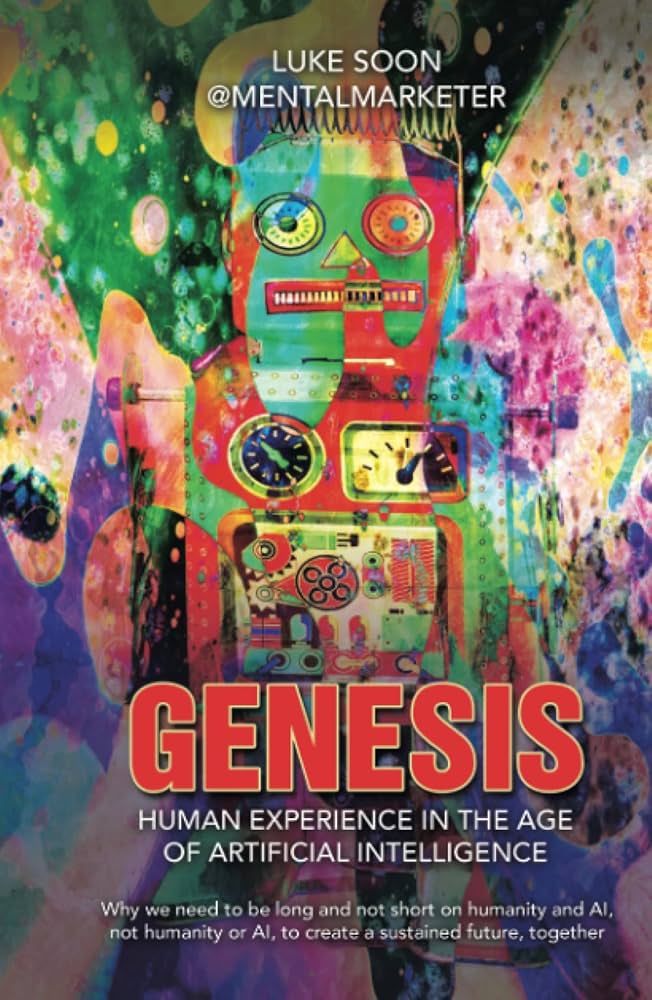
 Genesis: Human Experience in the Age of Artificial Intelligence | Synthesis: The Superintelligence Protocol
Leave a comment