
A Genesis Perspective on Standards, Systems, and the Race Against Time
The Illusion of Progress — and the Reality Beneath
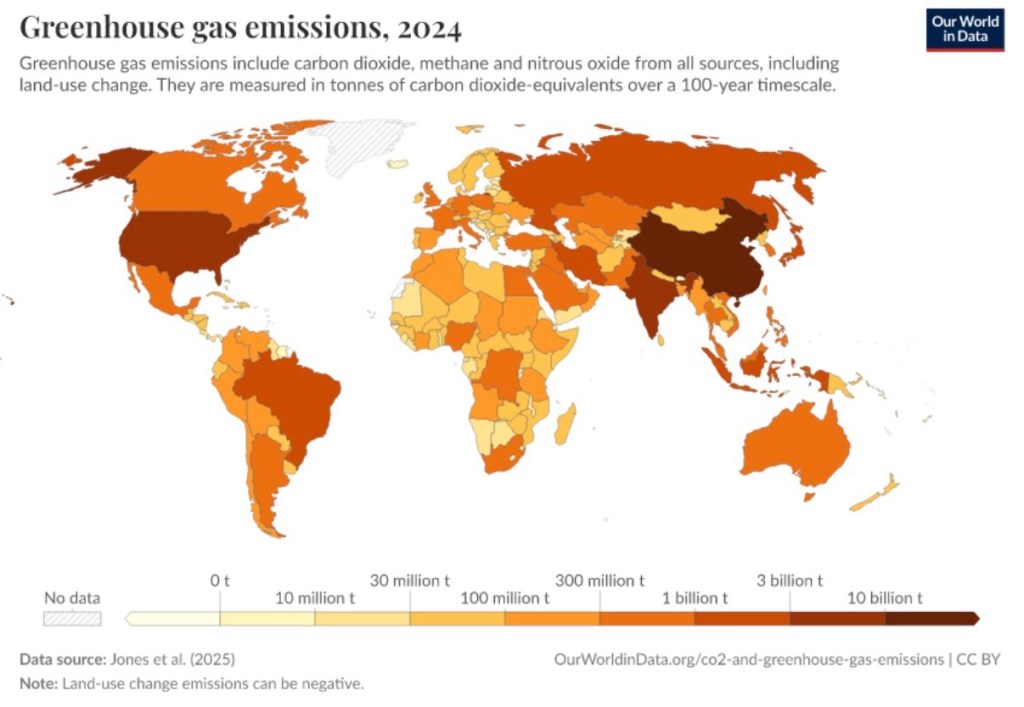
We are, arguably, living in the most structured era of climate action in history.
We have:
Global agreements Scientific pathways Corporate standards Disclosure frameworks Financial alignment tools
From the United Nations Framework Convention on Climate Change to the Science Based Targets initiative and IFRS Foundation’s ISSB standards — the architecture is no longer the problem.
And yet, the world remains off track.
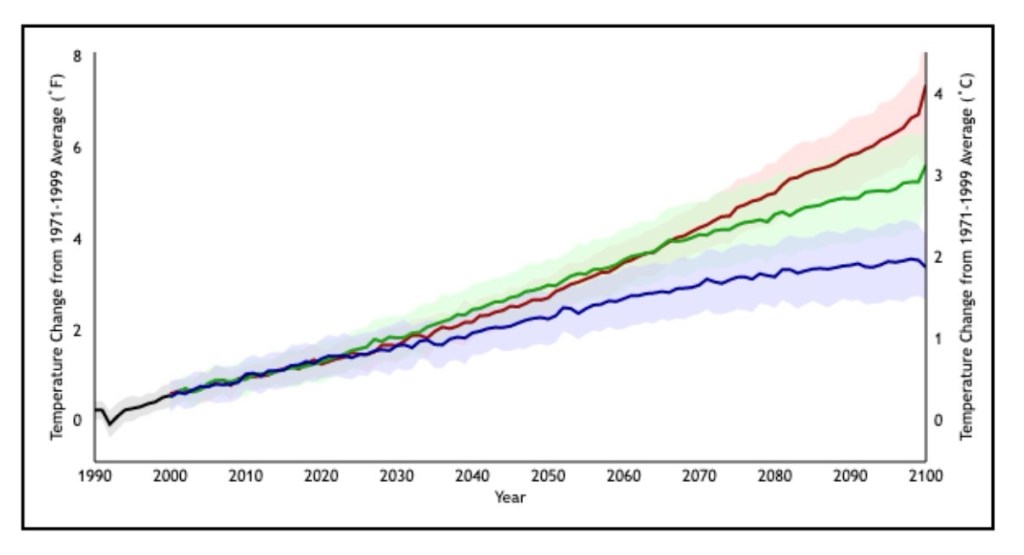
Current policies still point towards ~2.8°C of warming — far beyond the 1.5°C ambition.
This is the paradox of our time:
We have built the system to solve climate change — but we have not yet solved climate change.
The Climate Standards Stack — Finally Mature
Let us step back and examine the full stack.
This is no longer fragmented. It is increasingly coherent.
The Climate Standards Ecosystem
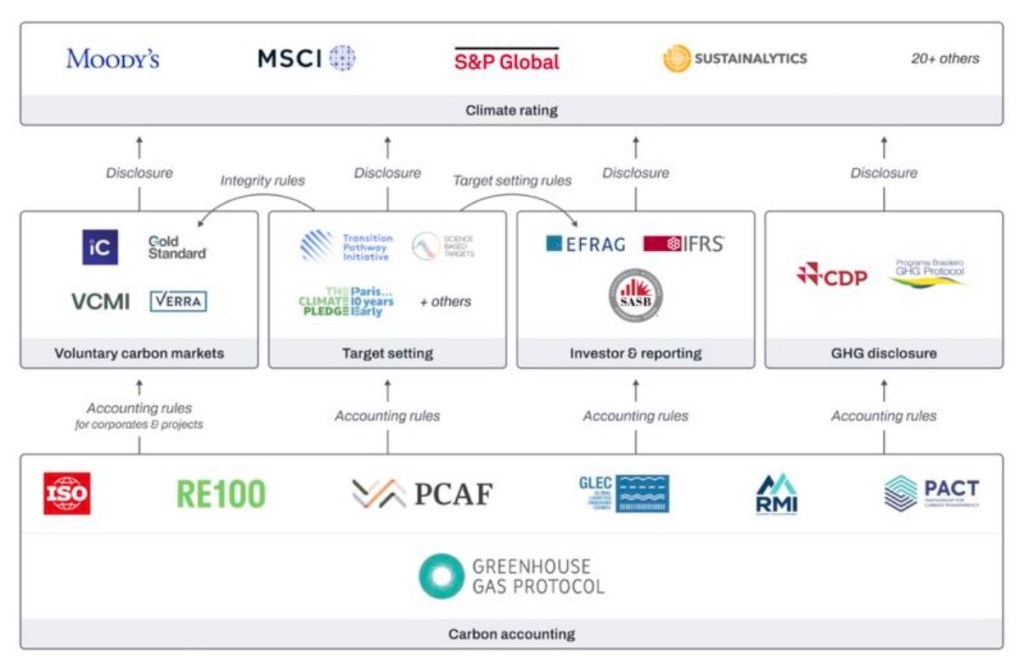
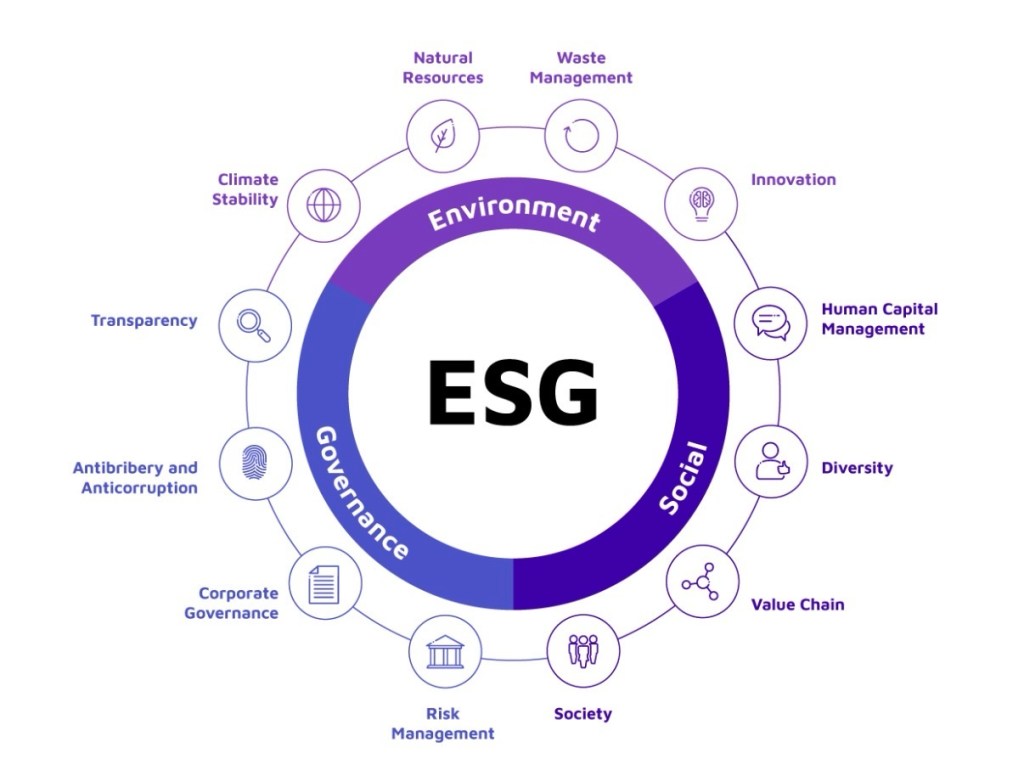
At a system level, the climate architecture now follows a clear logic:
Global Goals → Paris Agreement / NDCs Scientific Benchmarks → IPCC pathways Measurement → GHG Protocol (Scopes 1, 2, 3, LSR) Target Setting → SBTi (near-term, net-zero, sector standards) Disclosure → ISSB, CSRD, CDP Capital Allocation → Financial institution standards
This is, effectively, a complete operating system for decarbonisation.
Key Climate Standards
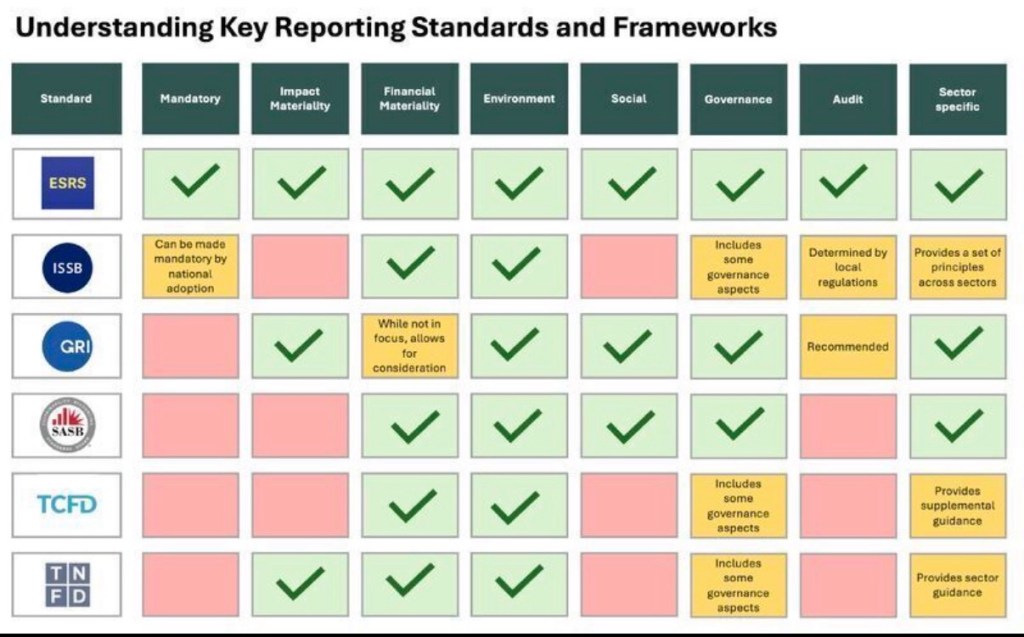
Core frameworks and what they do:
Paris Agreement / NDCs National-level commitments to reduce emissions and reach net zero (mostly ~2050) IPCC Pathways Scientific benchmarks for 1.5°C and 2°C trajectories GHG Protocol The global standard for emissions accounting (Scopes 1, 2, 3, and now Land & Removals) SBTi Corporate target-setting aligned to climate science (near-term and net-zero) ISSB (IFRS S1 & S2) Investor-focused disclosure standards for climate risk and performance CSRD / ESRS (EU) Mandatory sustainability reporting with double materiality CDP Market-facing disclosure and transition-plan benchmarking
The Real Shift: From Standards to Execution
The system is no longer missing.
The bottleneck is now execution.
And this is where AI enters.
AI as the Climate Operating System
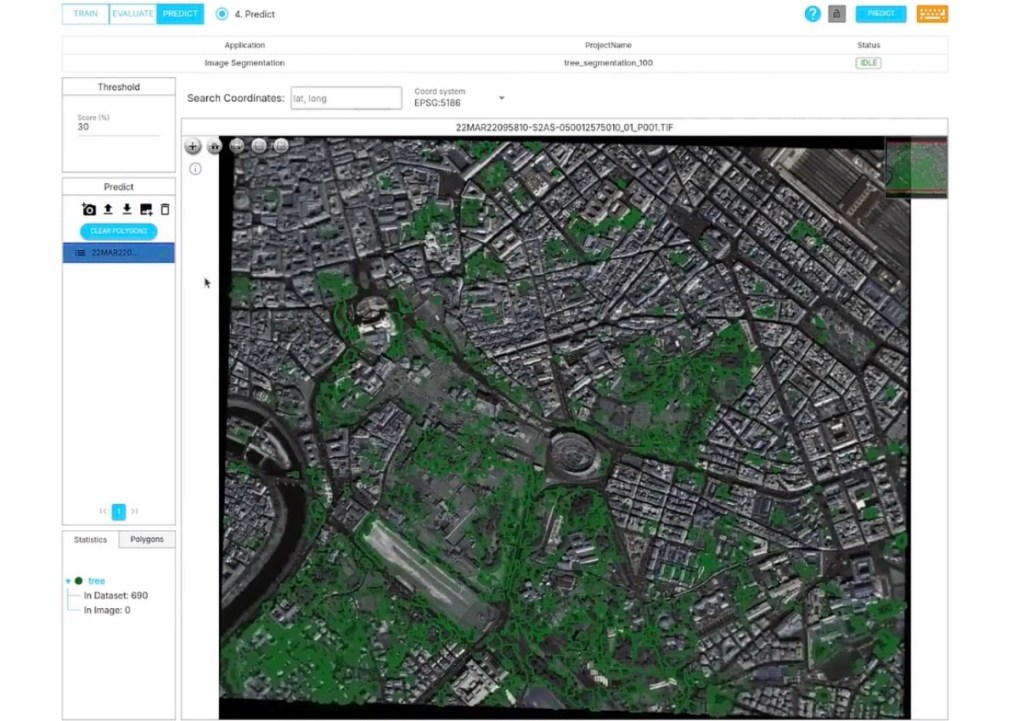
Every climate framework follows the same lifecycle:
Measure → Disclose → Target → Decarbonise → Verify → Finance
AI does not replace this system.
It accelerates it.
Visual Table: Where AI Creates Real Impact
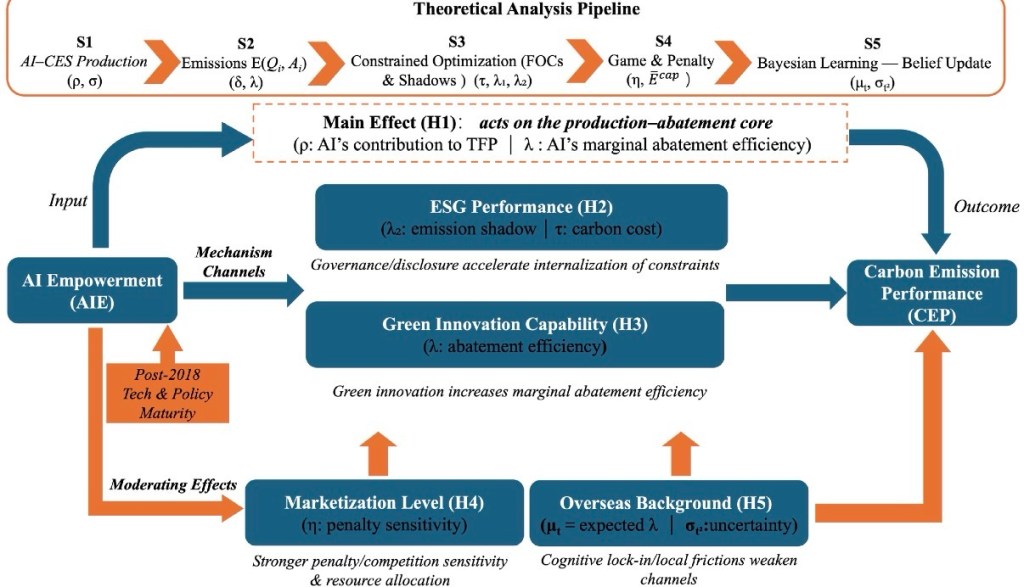
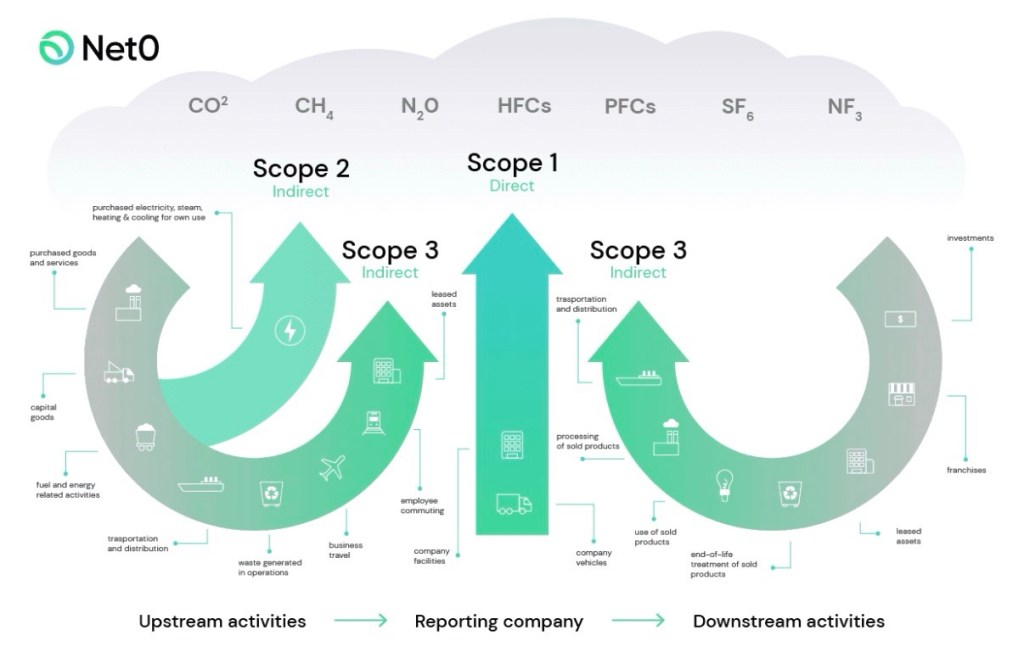
Where AI matters most:
Measurement (Scope 1–3) Automating carbon accounting, supplier emissions estimation MRV (Measurement, Reporting, Verification) Ensuring credibility, audit readiness, anomaly detection Transition Planning Modelling abatement pathways, capex optimisation Operations Energy efficiency, logistics optimisation, industrial decarbonisation Adaptation Climate risk modelling, disaster prediction, resilience planning Finance Portfolio alignment, financed emissions, risk pricing
The Critical Insight
AI helps organisations comply better.
AI helps organisations optimise faster.
But AI does not reduce emissions by itself.
A company cannot “AI its way” to net zero if:
its energy is still fossil-based its processes are carbon-intensive its supply chain remains unchanged
This is the most misunderstood point in the AI–climate narrative.
AI is the most powerful climate operating-system layer ever built—automating MRV, anomaly detection, abatement pathway modeling, and dynamic optimization at speeds humans cannot match. But Stanford HAI has been warning since its 2022 Sustainability brief (and reiterated in the 2025 AI Index) that AI is not climate-neutral. Training emissions for frontier models are exploding: Llama 3.1 405B clocked ~8,930 tons CO₂e—roughly 500 years of the average American’s annual emissions. Transparency is declining: the 2025 Foundation Model Transparency Index shows companies sharing far less about energy use, water consumption, and carbon impact of their models than in 2024.
WEF (Jan 2026) is equally blunt: AI can close the climate-finance gap by turning fragmented data into investable opportunities—but only if governed with ironclad transparency and explainability. Without it, “AI can widen information gaps, reinforce systemic biases or amplify sustainability claims that lack real impact.”
Translation: AI doesn’t cut emissions. It amplifies whatever system we feed it. Feed it greenwashing, and it will produce the most sophisticated greenwashing the world has ever seen.
The Fork: Two Climate Futures
Path 1 — “Augmented Decarbonisation”
AI accelerates real emissions reductions Grids become intelligent Buildings self-optimise Supply chains decarbonise dynamically Capital flows align with science
Stanford HAI researchers and WEF’s industrial decarbonization work show this future is technically feasible. AI-optimized grids, self-healing supply chains, and real-time MRV could deliver the 43% emissions cut the IPCC demands by 2030—if paired with ruthless execution on physical assets. WEF calls this “net-positive AI energy”: where AI-enabled savings exceed its own lifecycle consumption.
Result:
Net zero achieved closer to IPCC timelines (~early 2050s)
Path 2 — “Optimised Illusion”
AI improves reporting, not reality Emissions accounting becomes sophisticated But physical emissions fall too slowly Over-reliance on future carbon removals
Or we get the nightmare scenario already materializing: AI supercharges reporting and compliance theater while Scope 3 remains a black box and real-world cuts stall. BCG/CO2 AI data shows comprehensive emissions measurement falling, not rising. A 2026 independent audit of Big Tech climate claims found 74% of AI-related “planet-saving” assertions either unproven or lacking peer-reviewed backing.
Stanford HAI’s 2025 transparency findings are brutal: 10 of 13 major model developers disclose zero information on the environmental footprint of their foundation models. As one WEF analysis put it, we risk “better-documented failure.” The reporting looks pristine. The atmosphere doesn’t care.
Result:
We become better at measuring failure
The Climate Timeline — 2026 to 2035
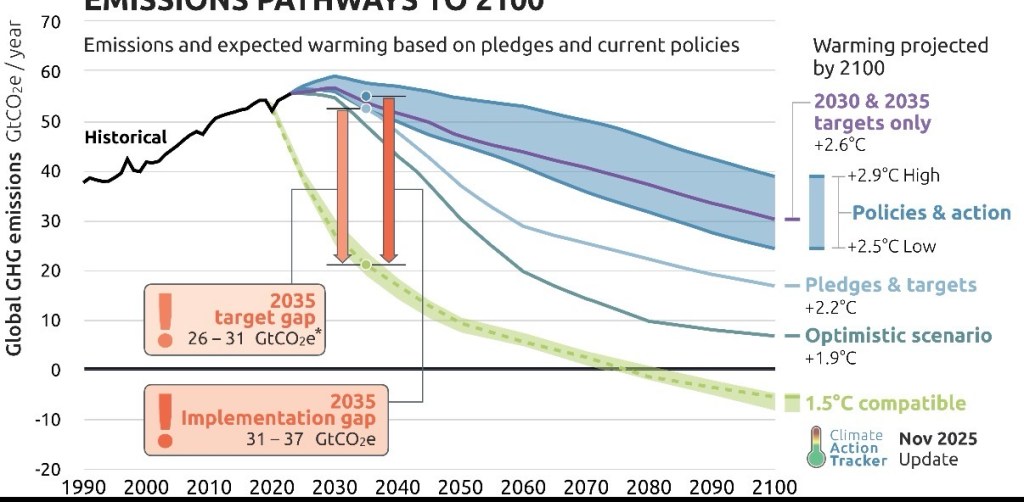
A realistic trajectory:
2026–2028 Explosion of climate reporting and AI-driven data systems ISSB and SBTi adoption accelerates 2029–2030 First real stress test Required: ~43% emissions reduction for 1.5°C Reality: likely shortfall 2031–2033 Acceleration phase Rapid electrification, grid transformation, methane reduction 2034–2035 Clear divergence: Leaders: integrated climate + AI + finance systems Laggards: compliance-driven, fragmented
Where We Will Actually Be by 2035
Let’s be direct.
The world is unlikely to be on a 1.5°C pathway by 2035.
More likely:
Moving closer to a 2°C trajectory Significant progress – but insufficient
2040 and Beyond
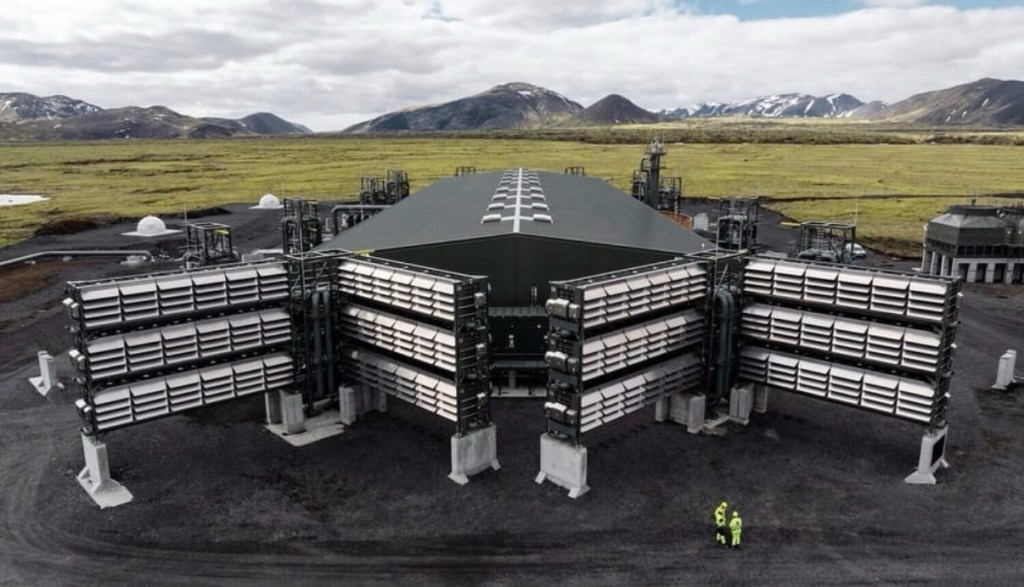
This is where realism matters.
By 2040:
Global net zero CO₂ → unlikely Global net positive (net-negative CO₂) → very unlikely
Why?
Because:
Net zero (IPCC) → early 2050s Net negative → after net zero
The Deeper Truth
Climate net positive is not just a target.
It is a system state that comes after transformation.
The Final Insight — The Real Bottleneck
We no longer lack:
standards frameworks targets disclosures
What we lack is:
Execution at planetary scale
And This Is Where AI Truly Matters
Not as a narrative.
But as:
the measurement engine the optimisation layer the verification system the decision intelligence layer
Closing: The Real Question
The question is no longer whether we have the right climate frameworks.
The question is whether we can execute them — fast enough.
Because in the end:
Climate change is not a reporting problem It is not a target-setting problem
It is an execution problem
Stanford HAI’s 2025 AI Index pulls no punches on the scale of the execution gap: while AI training compute doubles every five months, actual corporate decarbonization measurement is regressing. BCG and CO2 AI’s 2025 Climate Survey of nearly 2,000 executives found that only 7% of large companies now fully report Scope 1-2-3 emissions—down from 9% in 2024 and 10% in 2023.
WEF’s March 2026 analysis of corporate climate transition plans is even more damning: “Action, not ambition, is now defining net-zero leadership.” Over 10,000 companies have validated targets, yet most fail to link decarbonization levers to quantified outcomes, capital allocation, or executive incentives. Governance remains “largely procedural.” In plain English: we’re drowning in pretty PowerPoints while the planet cooks.
This isn’t a standards problem. It’s a will-to-execute problem.
(Citations: Stanford HAI 2025 AI Index; BCG/CO2 AI Climate Survey 2025; WEF “Action, not ambition” 2026)
And that is where the real fork lies.
Climate change was never a reporting problem. It was never a target-setting problem.
It is, and always has been, an execution problem—as WEF, Stanford HAI, and every serious 2025–2026 research house now openly state.
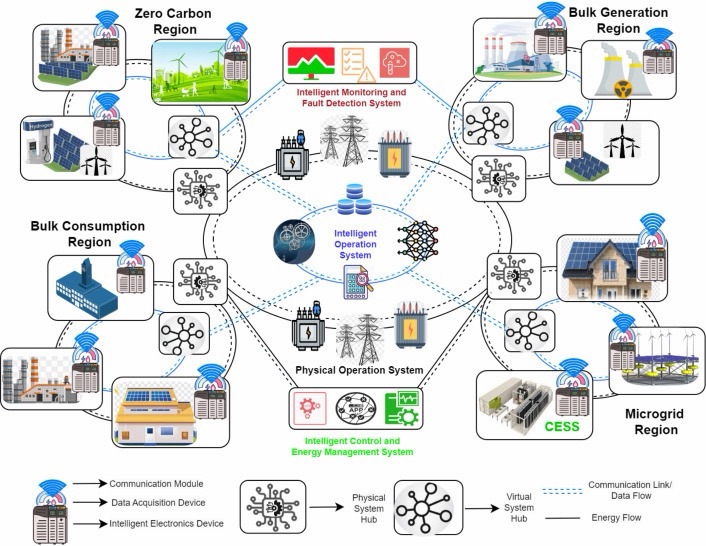
The climate operating system is live. The AI intelligence layer is here. The only question left is whether we will use them to execute at planetary speed—or to produce the most elegant, data-rich, beautifully formatted illusion of progress in human history.
Net positive is not a slogan. It is a post-execution outcome. Anything less is just expensive theater.
 Genesis: Human Experience in the Age of Artificial Intelligence | Synthesis: The Superintelligence Protocol
Leave a comment