

In Singapore’s rapidly evolving FinTech landscape, multi-agent systems (MAS)—where autonomous AI agents collaborate dynamically—play a pivotal role in applications such as realtime fraud detection, automated trading,and compliance monitoring. These systems enhance efficiency but introduce complexities in governance,necessitating robust frameworks to manage risks while fostering innovation. This post examines the integrationof governance models and regulatory frameworks, emphasising compliance, security, and ethics withinSingapore’s financial services context, against a global regulatory backdrop. Perspectives from frontier model providers like Anthropic’s Responsible Scaling Policy (RSP) and academic insights from figures such as GeoffreyHinton and FeiFei Li further inform these approaches, highlighting the need for proportional safeguards and human-centred design.
Understanding Governance Models in AI for Multi-Agent Systems
A governance model in AI comprises a structured framework of policies, rules, roles, processes, and oversight mechanisms that direct the design, deployment, operation, monitoring, and accountability of AI systems. ForMAS in Singapore’s FinTech sector, governance addresses the dynamic interactions of agents such as reactiveagents for transaction monitoring and deliberative agents for pattern analysis – handling sensitive data and high-stakes decisions with minimal human input. It ensures regulatory compliance, mitigates systemic risks likecascading failures, and enforces ethical alignment through fairness, transparency, and explainability. Globally,frameworks like the NIST AI Risk Management Framework (RMF) provide voluntary guidance for managing AI risks across the lifecycle, emphasising trustworthiness and societal impact, which complements Singapore’sproportionate risk management approach. OWASP’s AI Security and Privacy Guide offers practical controls forsecure AI development, including vulnerability assessments for MAS.
The following table summarises key governance models and their applicability:
| Governance Model | Description | Relevance to Singapore FinTech MAS | Global Backdrop Example |
|---|---|---|---|
| Hierarchical | Top-down oversightwith layered autonomyfor agents. | Ensures board-level accountability perMAS guidelines. | NIST RMF’s Governfunction for organisationalalignment. |
| Decentralised | Agent self-regulationwith consensusmechanisms. | Suitable for distributed ledgerintegrations but risks accountabilitygaps under FEAT. | EU AI Act’s risk-basedcategorisation for high-risksystems. |
| Hybrid | Combines centralcontrol with local agentflexibility. | Balances real-time efficiency andcompliance in fraud detection. | OWASP’s controls forsecure AI supply chains. |
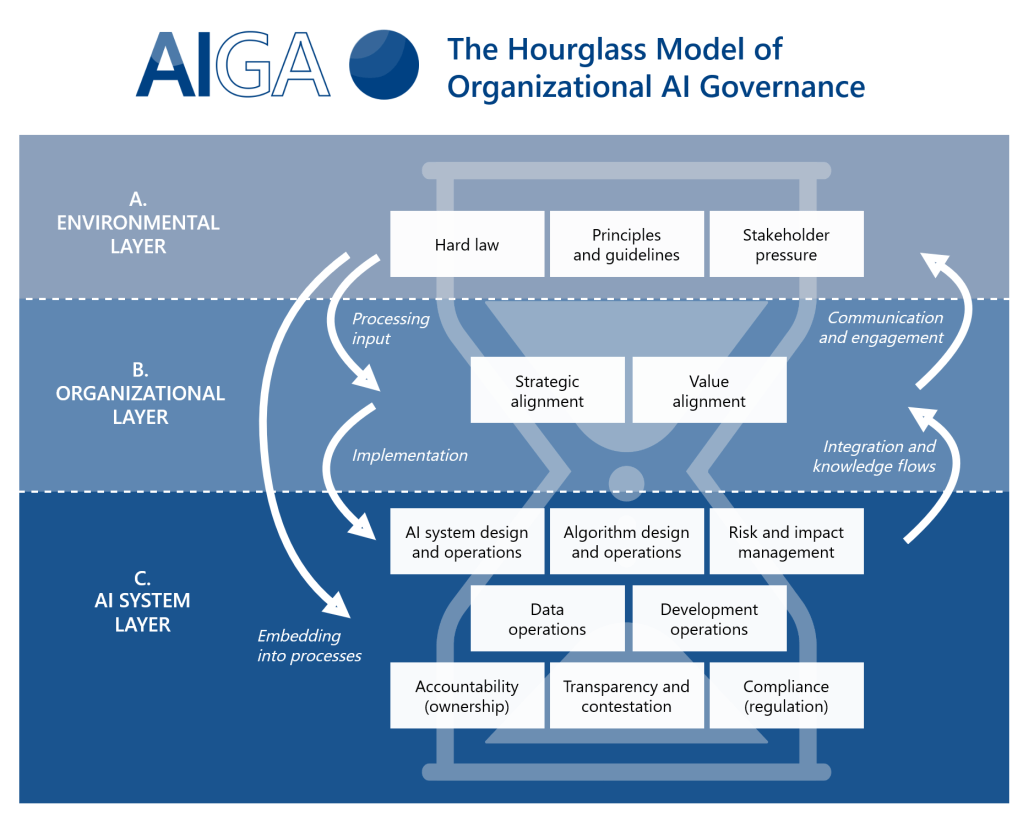
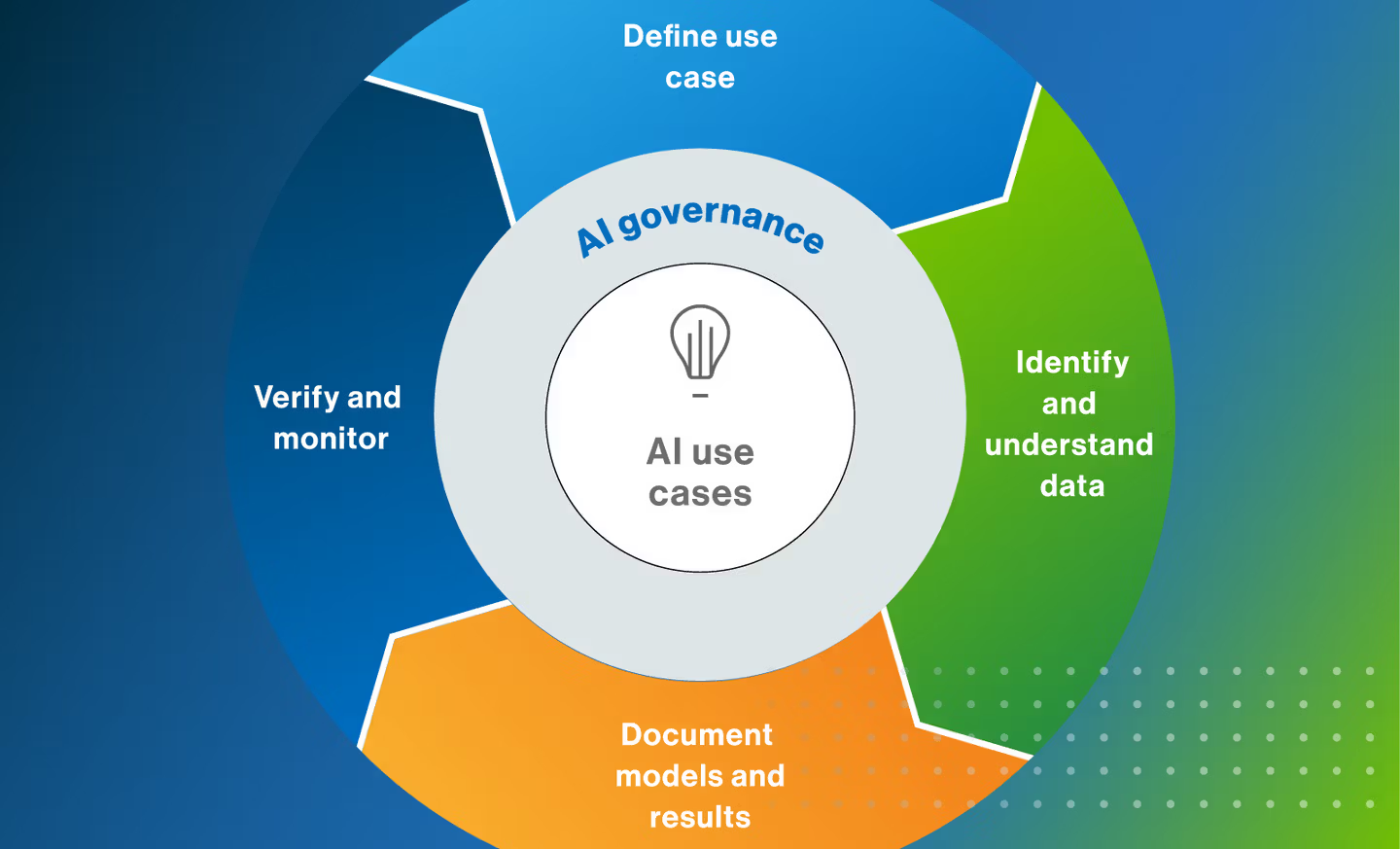
Illustrative diagram of a typical AI governance model:
Identifying Relevant Regulatory Frameworks
Singapore’s frameworks, such as the MAS Guidelines on Artificial Intelligence Risk Management (proposedNovember 2025, under consultation in 2026) and the FEAT Principles, establish expectations for AI agents, including MAS, with requirements for governance, lifecycle controls, and ethical priorities. Globally, the EU AI Act classifies systems by risk levels, mandating assessments for high-risk FinTech applications, influencing Singapore’s cross-border operations. NIST’s AI RMF offers a flexible structure for risk mapping, measuring, andmanagement, adaptable to MAS contexts. OWASP’s guidelines focus on AI-specific vulnerabilities, such asprompt injection and model denial of service.
| Framework | Origin | Key Features | Singapore FinTech Relevance |
|---|---|---|---|
| MAS AI RiskManagement Guidelines | Singapore | Proportionate governance, lifecyclecontrols, human oversight. | Direct supervisory expectations forMAS in fraud detection. |
| FEAT Principles | Singapore | Fairness, ethics, accountability,transparency. | Ensures ethical agent decisions inconsumer-facing systems. |
| EU AI Act | EU | Risk-based classification, conformityassessments. | Influences global compliance forSingapore-based firms. |
| NIST AI RMF | US | Voluntary risk management across AIlifecycle. | Adaptable for bias mitigation in MAS. |
| OWASP AI Guidelines | Global | Security controls for AI vulnerabilities. | Protects against attacks on agentcommunications. |
Auditing for Compliance and Security in Real-Time Fraud DetectionAuditing MAS for real-time fraud detection involves identifying risks like inadequate oversight, biased outcomes, data governance failures, cascading failures, poor audit trails, and cybersecurity weaknesses, aligned with MAS, FEAT, NIST, OWASP, and EU AI Act.
| Risk Category | Description | Alignment with Frameworks |
|---|---|---|
| Inadequate Oversight/Explainability | Opaque decisions violating transparency. | FEAT, NIST RMF, EU AI Act. |
| Bias/Unfair Outcomes | Discriminatory flagging from biased data. | FEAT fairness, OWASP bias controls. |
| Data Governance Failures | PDPA breaches in data handling. | MAS guidelines, NIST data management. |
| Cascading Failures | Chain reactions from agent errors. | OWASP vulnerability assessments. |
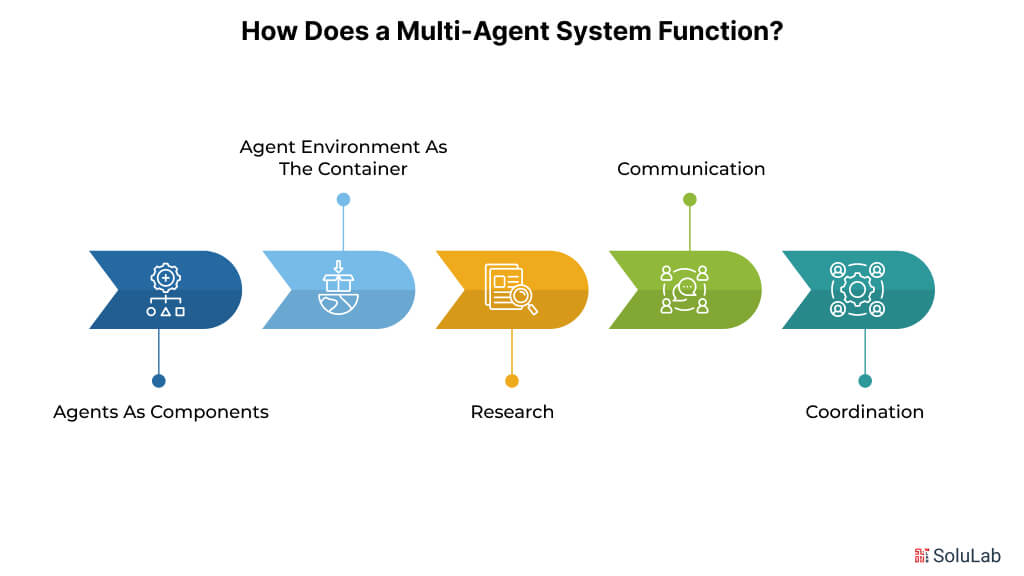
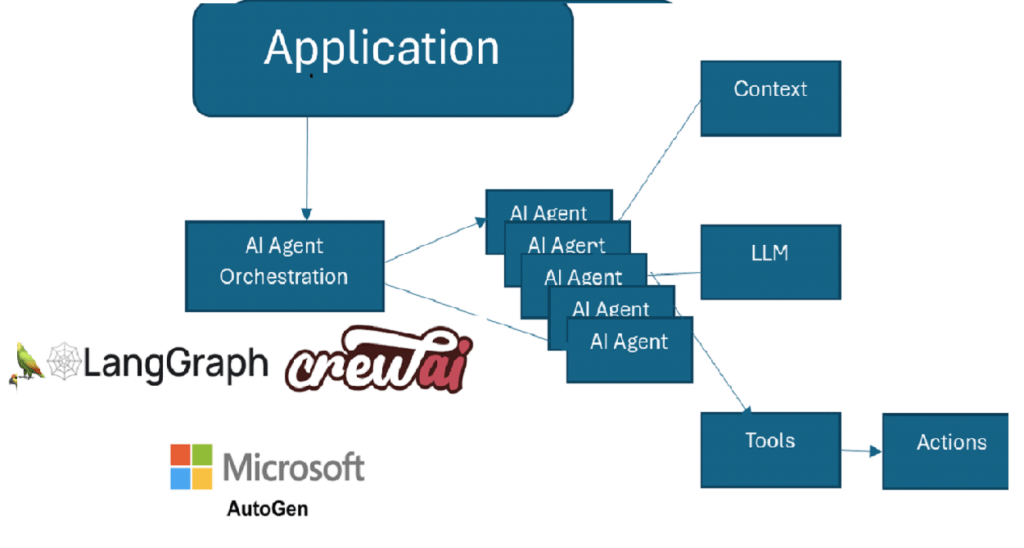
Illustrative diagram of MAS architecture in FinTech
Developing Mitigation Workflows
Mitigation for inadequate oversight begins with system mapping and gap analysis against MAS and FEAT, identifying black-box elements using XAI tools like SHAP or LIME. Next, prioritise gaps with a risk matrix andimplement plans including HITL protocols and policy updates.Text-based flowchart for mitigation workflow:
Start -> System Mapping & Gap Analysis (Inventory agents, pathways) -> Prioritise Gaps (Risk scoring matrix) -> Develop Implementation Plan (XAI integration, HITL protocols) -> Pilot Testing & Rollout -> Continuous Monitoring -> End
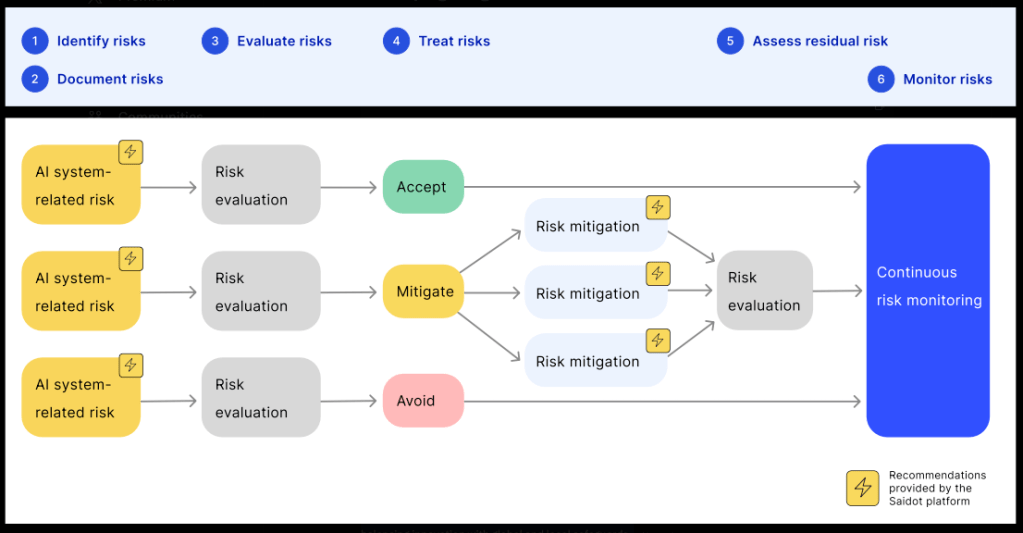
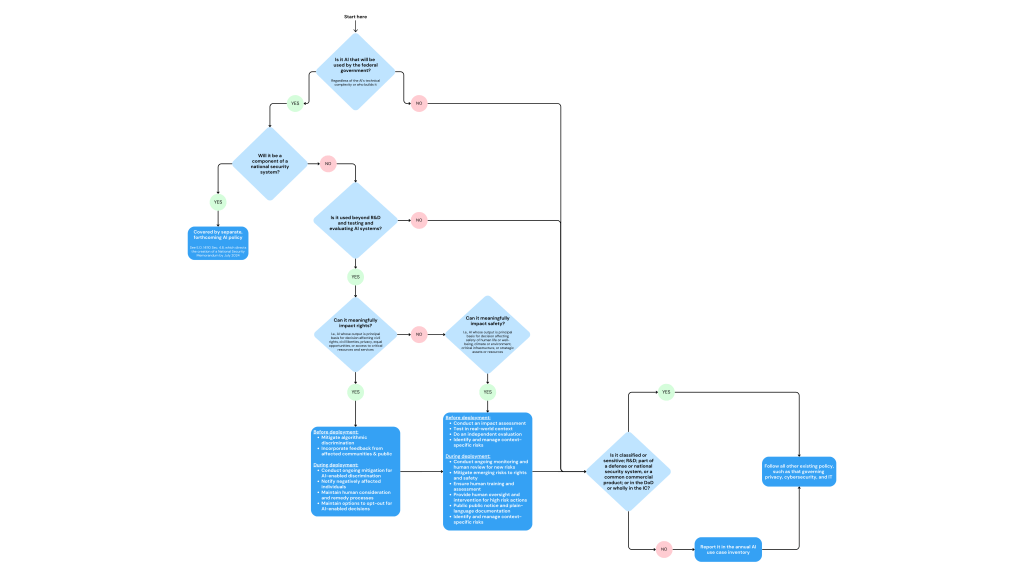
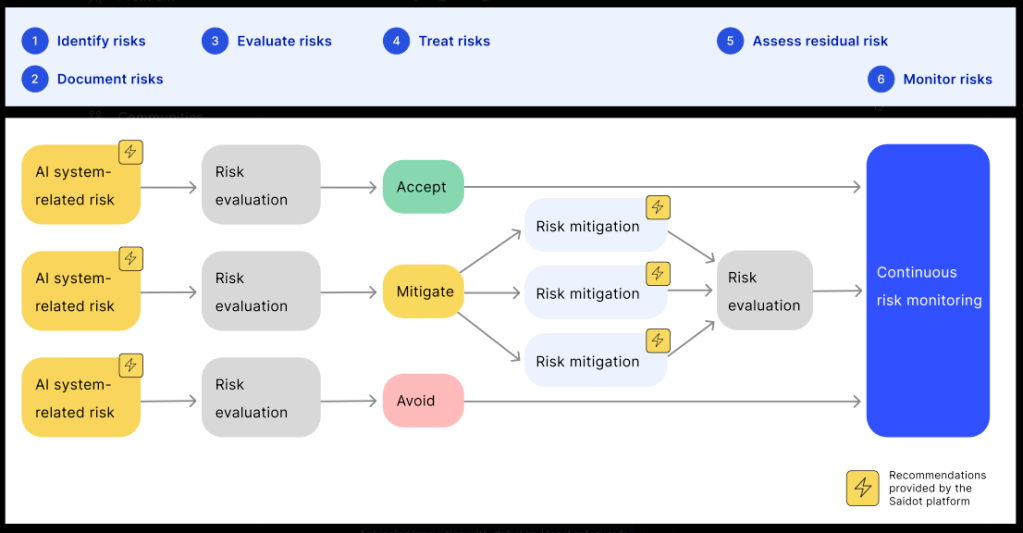
Illustrative diagram of AI risk mitigation
Promoting Ethical AI Operations
Ethical operations involve a monitoring cycle with bias audits, data drift detection, feedback loops, red-teaming, fairness reporting, and an Ethics Committee. Anthropic’s RSP advocates scaling safeguards with risks via AISafety Levels, relevant for MAS deployment. Hinton warns of existential risks and deceptive AI, urging governance to prioritise safety over profit. Fei-Fei Li emphasises human-centred AI, advocating governance that prioritises dignity and ethical development.
 Genesis: Human Experience in the Age of Artificial Intelligence | Synthesis: The Superintelligence Protocol
Leave a comment