
By Luke Soon, AI Ethicist & Partner at PwC
In 2027, you may share your workplace with a humanoid robot built in Shenzhen, trained in California, governed under Brussels law, powered by Qatari solar, and audited by a Singapore regulator.
That is not science fiction. It’s the lived reality we’re hurtling toward.
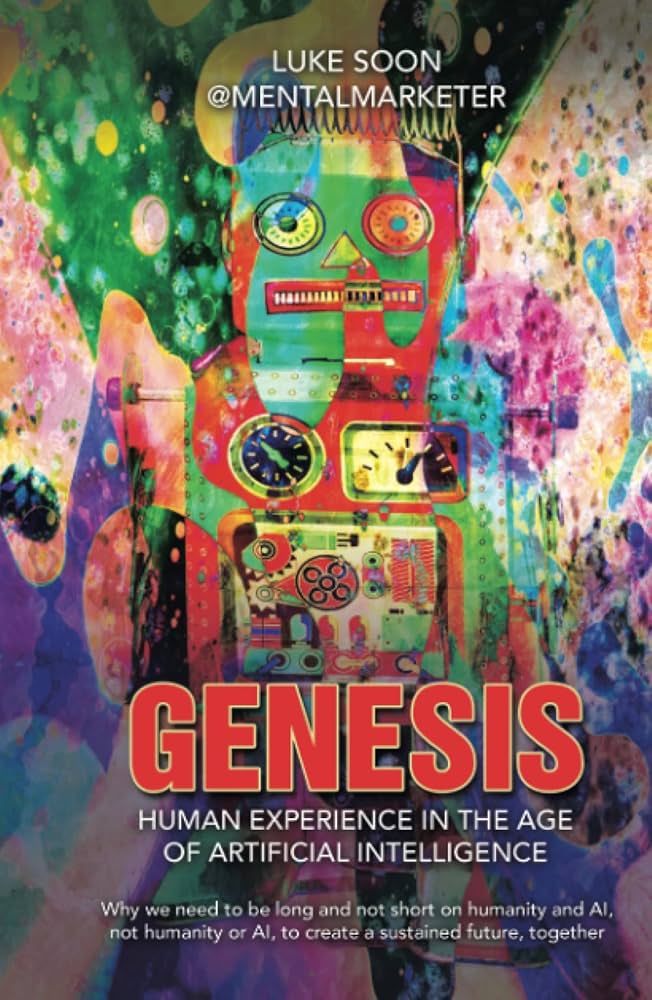
In my book Genesis, I wrote that artificial intelligence is not a discreet tool but the scaffolding of a new civilisation. Those words feel even sharper now. AI, robotics, quantum, and sustainability are converging into an operating system for society itself. The choices we make in the next decade will decide whether we build something closer to Star Trek — or slip into Mad Max.
🌍 The Fork Ahead: Federation vs Citadel
Our foresight work maps ten great dimensions of change — spanning regulation, capital, technology, sustainability, and human experience. They converge into two futures:
Federation: a cooperative, abundant, human-centred system. Open standards, shared prosperity, carbon-neutral AI, embodied intelligence augmenting human potential. Citadel: a fragmented, defensive, scarcity-driven system. Walled gardens, weaponised tech, energy wars, and authoritarian controls.

By 2035, the world will be forced to choose.
⚡ Signals From the Near Future
The signals are already visible, if you know where to look:
2027 → AGI-like agent swarms handle financial compliance and fraud detection. 2028 → First humanoids (Tesla Optimus, Figure, UBTech) become cost-competitive in logistics. 2032 → World’s first carbon-neutral hyperscale AI cluster goes live. 2035 → The fork: some blocs embrace the Federation, others retreat into the Citadel. 2045 → Kurzweil’s “merge” prediction edges into reality: brain-computer interfaces go mainstream.
These aren’t guesses. They are milestones drawn from research, capital flows, and regulatory filings — grounded in work by Stanford HAI, WEF, IMF, IEA, RAND, and leading thinkers like Geoffrey Hinton, Mo Gawdat, and Yuval Noah Harari.

🧭 A Prime Radiant, Not Frozen Predictions
The danger with most futures work? It freezes in time.
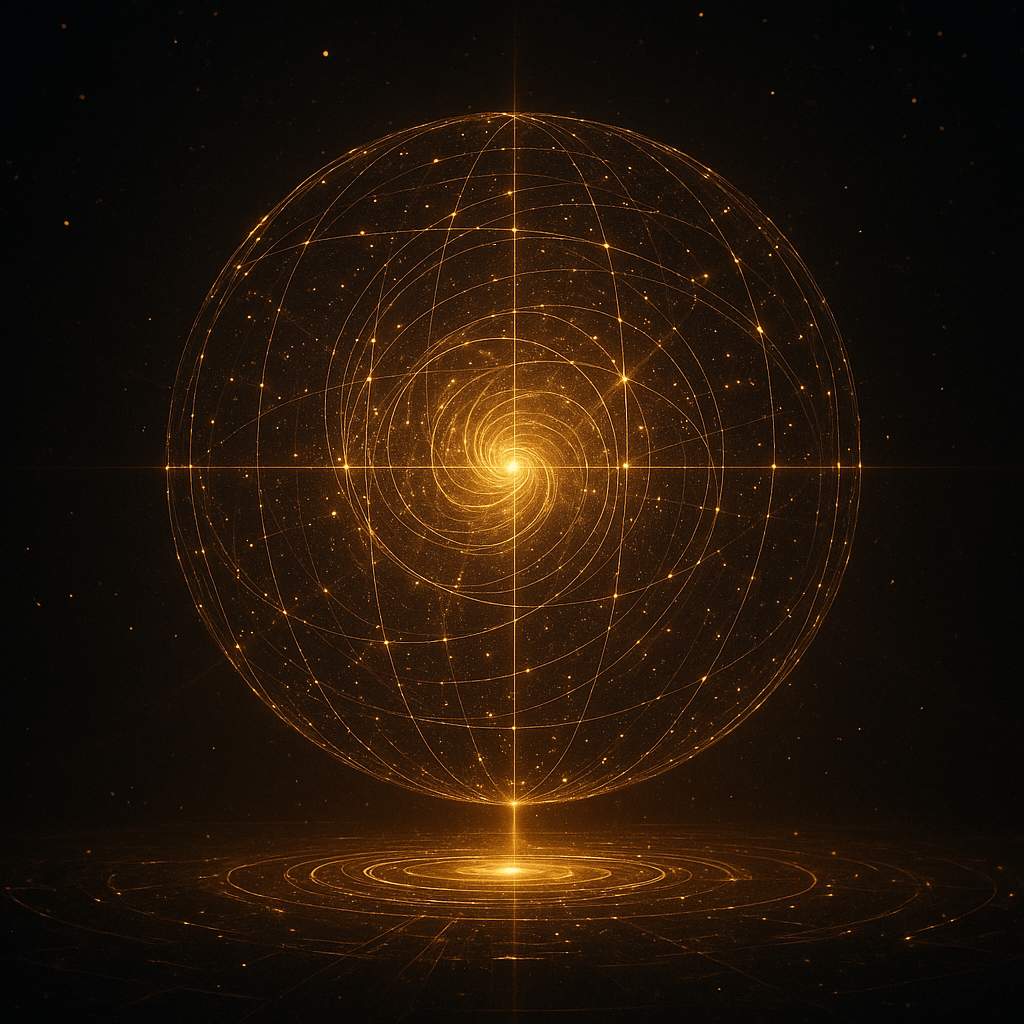
We’ve built something like a Prime Radiant for psychohistory— a foresight system that is refreshed every month. It tracks:
Deltas → what’s changed since the last cycle. Signals → separating hype from validated milestones. Intensity maps → where change is accelerating fastest.
It covers AI, robotics, quantum, Web3, sustainability, energy, geopolitics, and beyond — and translates them into scenarios any policymaker, founder, or futurist can use.
🚀 Why It Matters
The next 25 years will test every institution, belief, and habit we hold dear.
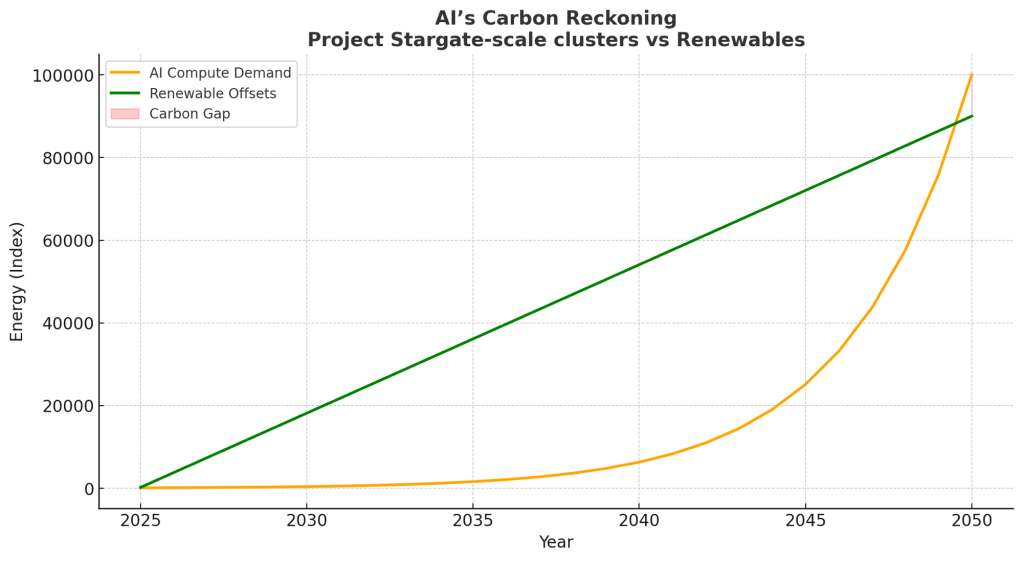
If we aim for Federation, we must design trustworthy AI, carbon-aware infrastructure, and embodied intelligence that enhances human experience.
If we drift toward the Citadel, expect fractured standards, rising risks, and resource wars — the Mad Max scenario I warned of in Genesis.
The fork is already visible. The choice is still ours.
💡 Closing Thought
I’ll be presenting this Living Atlas at global conferences like Shanghai WAIC and SuperAI and continuing to share signals here on LinkedIn.
The question I leave you with:
👉 When 2035 arrives, will we be living in the Federation — or behind the walls of the Citadel?
 Genesis: Human Experience in the Age of Artificial Intelligence | Synthesis: The Superintelligence Protocol
Leave a comment