
Understanding the Human Experience
The human experience encompasses the totality of human existence, including mental, emotional, spiritual, and physical realities. It is the collective experiences that a person has with their environment, which can be influenced by various factors such as culture, personal history, and social interactions. This experience is not just about physical interactions but also includes emotional and psychological dimensions. For instance, emotions play a crucial role in decision-making, often overriding logical reasoning when faced with choices that have both positive and negative outcomes .
The Importance of Trust
Trust is a fundamental aspect of the human experience, particularly in the context of interactions with technology and AI. Trust is essential for the adoption and effective use of AI-powered products and services. Without trust, users may be reluctant to engage with AI systems, which can hinder the potential benefits these technologies offer. Trust in AI is built through transparency, explainability, and reliability. When AI systems are transparent about how they make decisions and are reliable in their outputs, users are more likely to trust them.
AI’s Impact on Human Experience and Trust
AI has a significant impact on the human experience by augmenting human capabilities and transforming various aspects of life, from customer service to healthcare. However, the way AI systems communicate their results and interact with users can either build or undermine trust. For example, making AI systems appear too human-like can sometimes backfire, as it may create an uncanny valley effect where users feel uncomfortable or distrustful.
The Link:
• Trust underpins HX by enabling a sense of safety, reliability, and consistency. For instance:
• In CX, customers are more likely to return to a brand they trust.
• In EX, employees perform better and are more engaged when they trust their organisation.
Case Studies
1. Financial Services: AI is transforming the financial services landscape by automating processes, enhancing customer experiences, and improving decision-making. Trust in these AI systems is crucial for their adoption. For instance, AI-driven financial advice platforms that provide transparent explanations of their recommendations have seen higher user trust and engagement.
2. Customer Experience: Companies like Unilever and Allstate have used Emotion AI to measure and understand customer emotions, leading to improved customer satisfaction and loyalty. By focusing on human emotions and trust, these companies have been able to enhance the overall customer experience.
3. Workforce Experience: In the workplace, AI can improve employee engagement and productivity by providing personalized support and automating routine tasks. However, building trust in AI systems among employees is essential for successful implementation. Case studies show that when employees understand how AI systems work and see their benefits, they are more likely to trust and use these technologies effectively .

How AI Impacts HX and Trust
AI’s influence on HX and trust can be both positive and negative, depending on its use.
Positive Impacts:
• Personalisation: AI tailors experiences (e.g., product recommendations, customer support) based on user preferences, fostering a sense of care and connection.
• Efficiency: AI automates repetitive tasks, improving response times and reducing errors, enhancing both CX and EX.
• Fairness: Properly designed AI systems can eliminate human biases, ensuring fairer outcomes and promoting trust in decision-making.
Negative Impacts:
• Opacity (Black Box AI): When users or employees don’t understand how decisions are made, it erodes trust, even if outcomes are accurate.
• Bias and Discrimination: If AI systems perpetuate or amplify biases, they damage trust and the user experience.
• Over-Automation: Replacing too much human interaction with AI can make experiences feel impersonal or robotic, harming HX.
Insights from Dr. Luke Soon’s Book “Genesis”
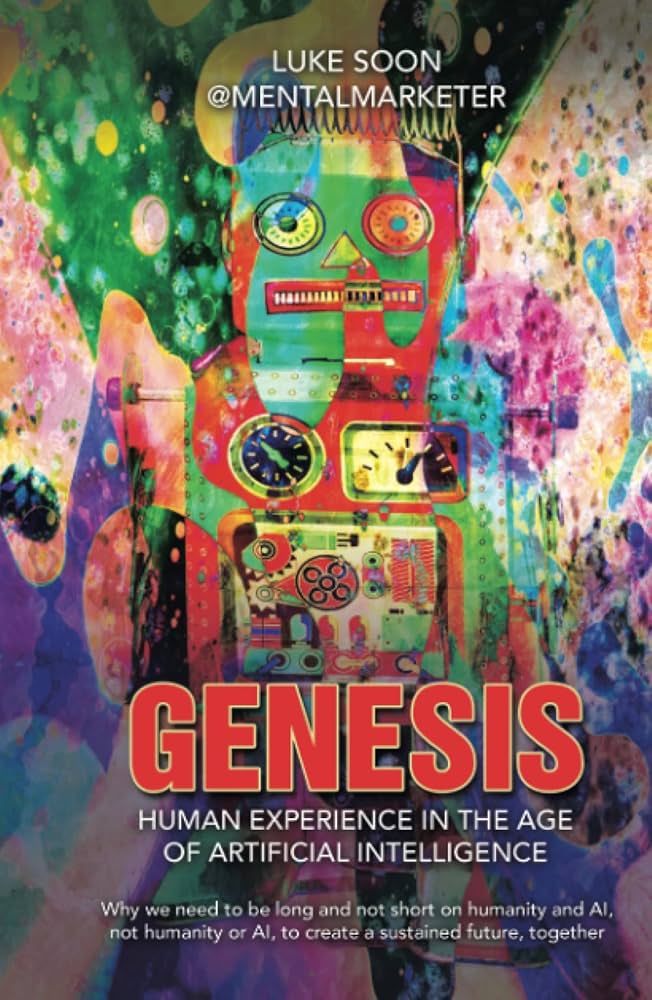
Dr. Luke Soon’s book “Genesis: Human Experience in the Age of Artificial Intelligence” explores the profound impact of AI on human experience and trust. The book emphasizes the importance of designing AI systems that are responsible, ethical, and transparent to build long-term trust between humans and machines. Soon argues that we need to be “long” on both humanity and AI to create a sustainable future where both can coexist harmoniously .
Building HX and Trust in AI-driven Systems
To ensure AI enhances both HX and trust:
• Transparency and Explainability: Clearly communicate how AI systems work and make decisions. Explainable AI builds trust by allowing users to understand outcomes.
• Ethical AI Design: Prioritise fairness, accountability, and privacy in AI applications to avoid bias and misuse.
• Human-AI Collaboration: Strike the right balance between automation and human touch to maintain empathy and authenticity in HX.
• Consistency and Reliability: Ensure AI-driven systems perform as expected, building user confidence over time.
Conclusion
In conclusion, understanding the human experience involves recognising the complex interplay of emotions, thoughts, and interactions that shape our lives.
Strategic Opportunity
Organisations that successfully link HX and trust through AI can create sustainable competitive advantages. By using AI responsibly, they can:
• Foster long-term relationships with customers and employees.
• Drive loyalty and engagement by demonstrating a commitment to ethical and human-centric practices.
• Strengthen their brand reputation by positioning themselves as leaders in trustworthy AI innovation.
Trust is a critical component of this experience, especially in the context of AI. By focusing on transparency, explainability, and ethical design, we can build trust in AI systems and enhance the overall human experience in the age of artificial intelligence.

 Genesis: Human Experience in the Age of Artificial Intelligence | Synthesis: The Superintelligence Protocol
Leave a comment