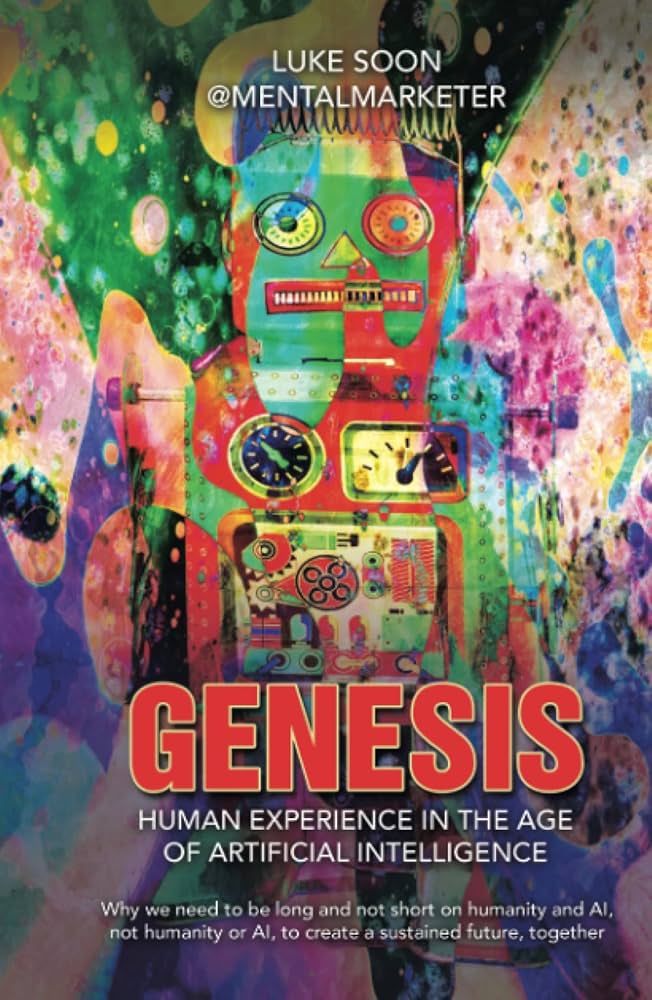


It’s funny how we find it easier to Trust machines, instead of our fellow humans..

Introduction
Artificial Intelligence (AI) is revolutionising every facet of human life, from healthcare and finance to retail and education. However, as AI systems become more autonomous and pervasive, concerns about trust erosion have surfaced. Trust is the foundation of any meaningful human-AI interaction, and its absence can hinder innovation and adoption.
In this blog, I explore the current state of trust in AI using findings from recent studies, including insights from PwC’s Global AI Survey, and propose steps to rebuild trust in the age of artificial intelligence.
The Global Trust Landscape
1. Geographic Variations in Trust
According to a 2022 Statista survey, trust in AI systems varies significantly across countries:
• India: 75% of respondents expressed trust in AI.
• China: 67% reported a positive outlook towards AI.
• United States: Only 40% of respondents trusted AI.
• Germany: 35% reported trust, reflecting a cautious stance.
• Israel: 34% expressed trust in AI systems.
Emerging economies, such as India and China, demonstrate greater acceptance of AI compared to Western nations, where scepticism and caution prevail.
2. Demographic and Sectoral Trust
A 2023 PwC Survey highlighted that:
• Younger generations and those with higher education levels were more likely to trust AI systems.
• Trust levels varied across industries, with retail (49%) and hospitality (38%) showing higher consumer trust in AI-generated advice compared to healthcare, where concerns over safety and transparency are more pronounced.
3. Public Concerns
A 2022 Ipsos survey conducted for the World Economic Forum found:
• 60% of adults globally believe AI will profoundly change daily life within 3-5 years.
• However, only 50% trust companies deploying AI systems, indicating a significant trust gap.
Why is Trust Eroding?
1. Opaque Decision-Making: AI often operates as a “black box,” making it difficult to understand how decisions are made.
• PwC’s Responsible AI Report found that 62% of business leaders cite explainability as a critical barrier to AI adoption.
2. Bias and Fairness Issues: AI systems trained on biased data can perpetuate and amplify societal inequities.
• In the US, a high-profile healthcare algorithm was shown to disproportionately favour white patients over black patients for specialised care eligibility.
3. Data Privacy Concerns: The increasing use of personal data for AI development raises concerns over consent and security.
• A 2024 survey from Gartner reported that 47% of employees feel uncomfortable with the level of data collected by AI systems.
Restoring Trust: Steps Forward
To rebuild trust, organisations must adopt a human-centred approach to AI development and deployment. Here are key recommendations:
1. Transparency and Explainability
• AI systems must be designed to explain their reasoning in clear, understandable language.
• Case Study: A European bank used interpretable machine learning models for credit decisions, resulting in a 20% increase in customer satisfaction.
2. Ethical AI by Design
• Embed ethical guidelines into AI development processes.
• Conduct regular bias audits to ensure fairness and inclusivity.
3. Strengthening Governance
• Establish robust governance frameworks to monitor AI’s impact and ensure accountability.
• Public-private partnerships, like the UK’s Centre for Data Ethics and Innovation (CDEI), are critical for building trust through regulation.
4. Education and Engagement
• Foster AI literacy among employees and consumers to demystify its workings.
• Engage communities in AI design to ensure systems align with diverse needs and values.
The Role of Businesses in Rebuilding Trust
Organisations have a pivotal role in demonstrating responsible AI use. Findings from PwC’s Global AI Survey suggest that:
• 81% of CEOs believe AI can significantly enhance customer trust, but only 33% have implemented responsible AI practices.
• Companies that prioritise transparency and fairness in their AI systems see a 35% higher adoption rate among consumers and employees.
Visualising Trust Erosion
1. Trust by Geography (Statista, 2022)
India (75%) > China (67%) > US (40%) > Germany (35%) > Israel (34%)
(Bar chart showing geographic trust variations.)
2. Trust Gap in AI Governance (PwC, 2023)
“Only 1 in 3 organisations have a robust AI governance framework in place.”
(Infographic highlighting the governance gap.)
Conclusion
Trust is not a static attribute—it evolves with every interaction and breakthrough. As Agentic AI becomes more autonomous, it is imperative to balance innovation with responsibility. By prioritising transparency, ethical design, and inclusive governance, we can create a future where AI enhances the Human Experience (HX) rather than undermines it.
The erosion of trust in AI is not inevitable. With the right policies, practices, and partnerships, we can ensure AI remains a force for good in society.
 Genesis: Human Experience in the Age of Artificial Intelligence | Synthesis: The Superintelligence Protocol
Leave a comment