

Introduction

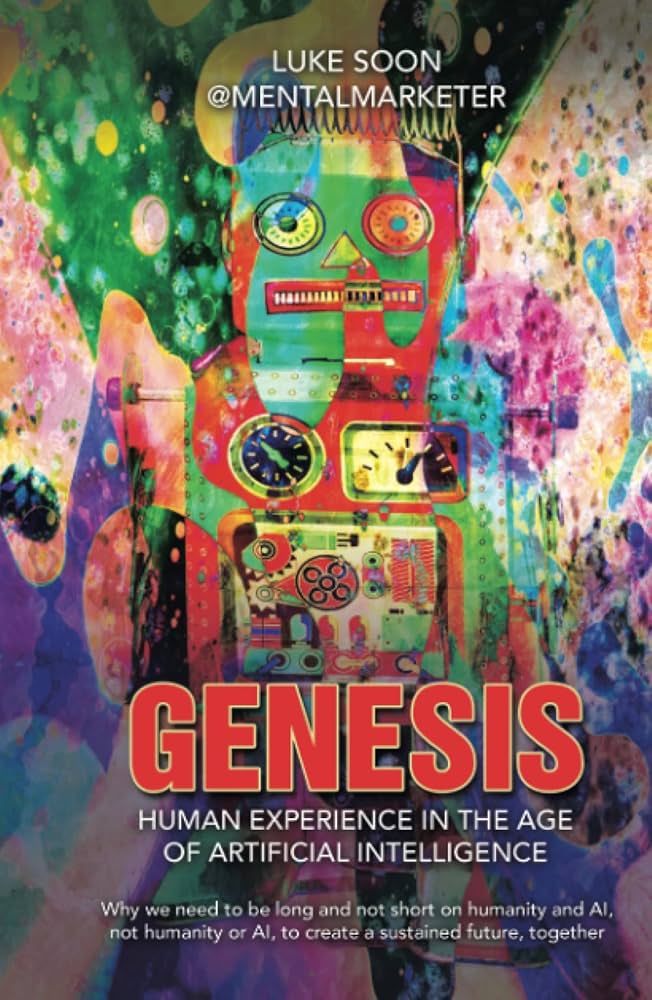
In my book, Genesis: Human Experience in the Age of Artificial Intelligence, I introduced the concept of HX (Human Experience) as the sum of CX (Customer Experience) and EX (Employee Experience). This formula underscores how advancements in technology—particularly Artificial Intelligence (AI)—shape our collective experiences. With the advent of Agentic AI, which acts with a sense of autonomy and decision-making capabilities, the interplay between humans and AI is undergoing profound changes.
This blog explores the transformative potential, disruptions, and challenges Agentic AI brings to HX, including the erosion of trust in AI systems—a critical issue in sustaining human-centric progress.
Agentic AI: Enhancing and Disrupting HX
Agentic AI goes beyond being a tool—it can act autonomously, analyse complex scenarios, and make decisions without human intervention. Here’s how it impacts HX:
1. Enhancing CX: Personalisation and Autonomy
• AI systems like OpenAI’s GPT models and O1 from OpenAI Labs enable hyper-personalisation by understanding user context better than ever.
• Chatbots and voice assistants have evolved from scripted responses to predictive, context-aware dialogue.
• Case Study from Genesis: A European retail giant integrated Agentic AI to provide personalised shopping journeys, increasing customer satisfaction scores by 40% and boosting sales by 25%.
2. Transforming EX: Augmentation and Autonomy
• Autonomous agents are reducing repetitive tasks, enabling employees to focus on higher-value, creative work.
• However, the ability of AI to make autonomous decisions introduces challenges in oversight and accountability.
• Case Study from Genesis: A global consulting firm used Agentic AI to streamline talent allocation. While productivity increased by 35%, employees initially resisted due to perceived job insecurity, highlighting the need for transparent communication.
Trust Erosion: A Growing Concern
Trust is the cornerstone of HX. The increasing autonomy of AI systems poses risks of trust erosion due to:
1. Opaque Decision-Making: Many models operate as “black boxes,” making it hard for humans to understand how decisions are made.
2. Bias and Fairness Issues: Autonomous systems can inadvertently amplify societal biases.
3. Data Privacy Concerns: With the rise of Agentic AI, more data is being collected, analysed, and used, often without clear consent.
Statistics Illustrating Trust Erosion
• A 2024 PwC Survey found that 62% of consumers expressed reduced trust in AI systems due to perceived biases and lack of transparency.
• 47% of employees felt uncomfortable with autonomous AI decisions impacting their workflows (source: Gartner, 2024).
• OpenAI’s O1 experiments revealed that 34% of beta testers flagged ethical concerns in autonomous decision-making, particularly in high-stakes domains like healthcare and finance.
Key Challenges and Opportunities
Challenges
1. Ethical Concerns: Who is accountable when an autonomous AI makes a mistake?
2. Regulation and Governance: How do we establish frameworks to govern AI’s autonomy?
3. Inclusivity: Ensuring diverse data sets and ethical guidelines for unbiased AI behaviour.
Opportunities
1. Human-Centric AI Design: Embedding empathy and ethics in AI systems.
2. Collaboration Models: Agentic AI working as partners, not replacements, for humans.
3. Regaining Trust: Transparent algorithms and participatory design methods.
Recommendations for Sustaining HX
1. Transparency First: Design systems that explain their reasoning in plain language.
2. Human Oversight: Retain human control over critical decision-making processes.
3. Ethics by Design: Incorporate ethical guidelines and bias audits at every stage of development.
Closing Thoughts
The emergence of Agentic AI marks an inflection point for Human Experience. While the potential for enhancement is unparalleled, the erosion of trust is a pressing challenge we must address. In Genesis, I argued that HX will only thrive when AI systems are designed to prioritise trust, empathy, and transparency. As Agentic AI matures, businesses must strive for a future where humans and machines collaborate to create meaningful, purpose-driven experiences.
The Human Experience is not static; it evolves with every technological breakthrough. With thoughtful governance and ethical design, we can harness the power of Agent
 Genesis: Human Experience in the Age of Artificial Intelligence | Synthesis: The Superintelligence Protocol
Leave a comment